2024 State Animal Protection Legislation
The 2024 New Mexico legislative session was held from January 16 through February 15, 2024.
Read below for a summary of animal-related legislation introduced this year.
Animal Protection Voters Priorities

SB 12: Rename Family Violence Protection Act
Sponsor: Sen. Antoinette Sedillo Lopez, Sen. Linda Lopez & Rep. Pamelya Herndon
Senate Bill 12 would rename the Family Violence Protection Act to become the “Protection Against Abuse and Violence Act” and make other changes to provide clarity and strength to definitions and other provisions. SB 12 includes measures that have been called “Misty’s Law,” which would recognize animal abuse with the intent to harm or intimidate someone as a type of domestic abuse, as well as explicitly allow a judge to add companion animals to the protective order issued.
Status Updates:
- 1/22/24: Passed the Senate Health & Public Affairs Committee (5-4 vote)
- Died awaiting action by the Senate Judiciary Committee
HB 178: Reform State Game Commission
Sponsor: Rep. Matthew McQueen
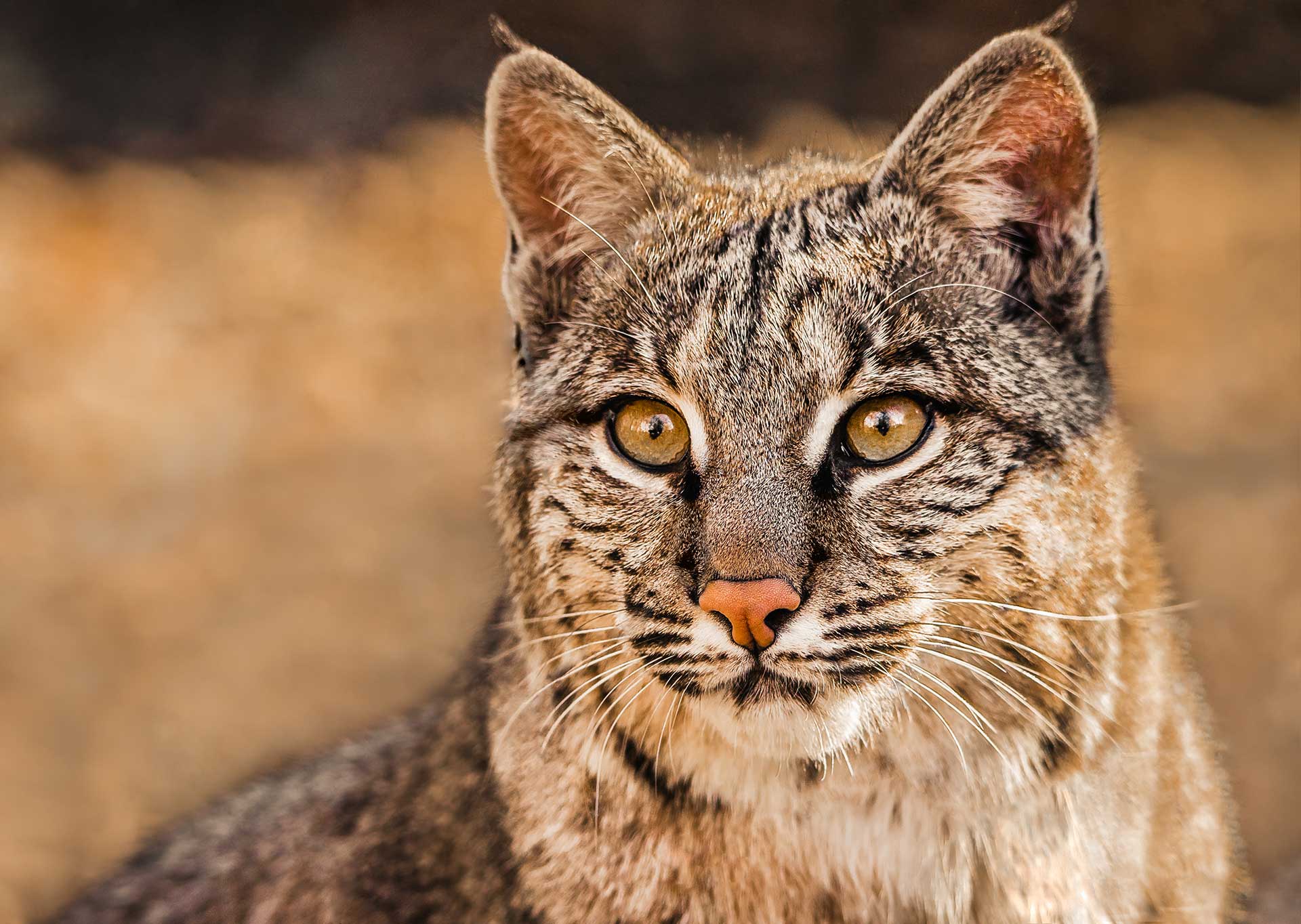
House Bill 178 would change the appointment process and membership qualifications of the State Game Commission, the Governor-appointed body that creates regulations regarding wildlife management. Additional amendments were added in committee to create a comprehensive wildlife agency reform package: creating a nominating commission to select qualified Game Commission candidates for appointment by the Governor; updating the Department of Game & Fish’s name, mission, and scope of authority; and increasing certain hunting and fishing fees to increase Department revenue.
Status Updates:
- 1/27/24: Passed the House Energy, Environment & Natural Resources Committee (6-5 vote)
- Died awaiting action by the House Judiciary Committee

HB 191: Animal Welfare Funding Act
Sponsors: Representative Tara Lujan, Representative Joseph Sanchez, and Representative Cynthia Borrego
House Bill 191 establishes within the state treasury a $10 Million dollar Animal Welfare Trust Fund, from which earnings from investments would be distributed annually to an Animal Welfare Grant Fund for projects benefitting domestic cats, dogs, and equines. This bill will help provide desperately needed community resources for animal shelter infrastructure, equipment, training, supplies, housing, food, veterinary care, educational materials, and shelter operational support.
Status Updates:
- 1/27/24: Passed the House Consumer & Public Affairs Committee (4-0 vote)
- Died awaiting action by the House Appropriations & Finance Committee
Other Support Bills
HB 262: Veterinary Non-Compete Provisions – Read the bill »
Sponsor: Rep. Joanne Ferrary
This bill would make a con-compete clause unenforceable in a veterinarian or veterinary technician agreement for veterinary practice or employment when that agreement is terminated.
Status: Died in House Rules & Order of Business Committee (bill not deemed germane to the 30-day legislative session)
SB 102: Racketeering Act Changes – Read the bill »
Sponsor: Senator Craig Brandt
This bill adds, among other offenses, dog fighting and cockfighting to the list of violations that can be changed as racketeering, which is accompanied by stronger penalties.
Status: 1/26/24: Passed the Senate Health & Public Affairs Committee (7-0 vote)
Died awaiting action by the Senate Judiciary Committee
Anti-Animal Legislation
n/a
Looking for legislation from years past? View our bill archive.